Home » Products » Steel Sections, Coils & Plates » A516 Grade 70 Steel Plate

A516 Grade 70 Plate Supplier

Pressure-vessel plate with the delivery condition and test scope on each material line

Our A516 Grade 70 plate program lists 3/16–6 in. thickness, 48–120 in. width and 96–480 in. length. We quote full plates or cut blanks for vessel fabricators, with the actual dimensional combination, delivery condition, ASTM or ASME material callout and required tests stated together.

Catalog thickness
3/16–6 in.
Grade reference
70–90 ksi tensile
Delivery state
As-rolled or specified heat treatment
Supply form
Full plates and cut blanks

Grade 70 material and processing scope

Material calloutASTM A516 Grade 70; expressly ordered ASME SA-516 or dual certification identified in the supplied records
Published dimensional envelopeThickness 3/16–6 in.; width 48–120 in.; length 96–480 in. Actual combination returned with the plate offer.
Delivery conditionAs-rolled or the specified normalized/thermal condition
Cut piecesFinished dimensions, edge preparation and retained heat identity
Supplementary testsImpact, ultrasonic or simulated PWHT requirements listed individually
RecordsMill material record and the tests applicable to the supplied plate

A516 Grade 70 mechanical-property reference

These reference values identify the Grade 70 material level. The actual mill record states the plate condition and results for the supplied thickness and governing specification.

PropertyUS reference valueSI reference valueScope
Minimum yield strength38 ksi260 MPaGrade 70 plate
Tensile strength70–90 ksi485–620 MPaGrade 70 plate
Minimum elongation, 2 in. gauge length21%21%Specified specimen basis
Minimum elongation, 8 in. gauge length17%17%Specified specimen basis

No matching specification. Clear the search to see every row.

Scroll sideways to see every column.

Grade 70 reference properties cross-checked against SSAB primary material data and ASTM A516/A516M requirements. ASTM SI and inch-pound values retain their specified bases; applicable specimen and thickness adjustments govern elongation. The supplied heat-specific material report records the delivered plate results.

ASTM, ASME and toughness requirements

The ordered specification stays on the record

The material purchase line identifies ASTM A516, ASME SA-516 or the required dual certification. Our offer and supplied records carry the accepted designation and delivery condition together.

Impact testing has a temperature and specimen basis

A Charpy requirement identifies temperature, orientation, specimen size and acceptance criteria. Those details define the impact-test scope for the ordered Grade 70 plate.

The vessel code and plate order have different jobs

The plate order covers its material specification and required records. Vessel construction rules separately govern allowable stress, fabrication, examinations and any vessel code stamp.

Delivery condition, cutting and later thermal cycles

Normalized plate retains its condition

The receiving description identifies normalized material where ordered. A later forming or heat-treatment route can change the relevant material condition, so the fabrication plan and required records stay aligned.

Blank size and rolling direction

A head or shell blank retains its finished size, required edge preparation and parent-plate rolling direction where called for. The cutting map links each delivered shape and its identification to the material heat.

Simulated PWHT is a separate test condition

Where required, the material-test scope includes the specified simulated thermal cycle and accumulated time. The report identifies the test condition so the fabricator can compare the result with the approved vessel fabrication cycle.

Plate orders for shells, heads and repair blanks

New vessel fabrication

Full plates and blanks are separated by delivery condition and material callout. Shell and head items keep the dimensions and later processing assumptions used by the fabricator.

Identified repair material

A replacement plate follows the approved repair specification. Grade, delivery condition and required examinations are matched to that repair line before the material is quoted.

Plate identity and ordered test records

Plate thickness inspection

Heat and piece traceability

Plate markings and cut-piece records are checked against the material document. The heat, product dimensions and delivery condition connect the supplied pieces to their material results.

Dimensions and surfaces

Thickness, width, length and the agreed edge/surface condition follow the plate acceptance requirements. Local grinding or repair, where allowed, retains the applicable material and inspection basis.

Results in the required material condition

Tensile, impact and supplementary examination records identify the tested condition and the plate or test unit covered. A simulated-PWHT requirement also carries its thermal-cycle basis, so the fabricator can match the received material to the approved test scope.

Grade 70 receiving documents

Material specification and heatDelivery conditionPlate and cut-piece dimensionsOrdered mechanical testsSupplementary examinations
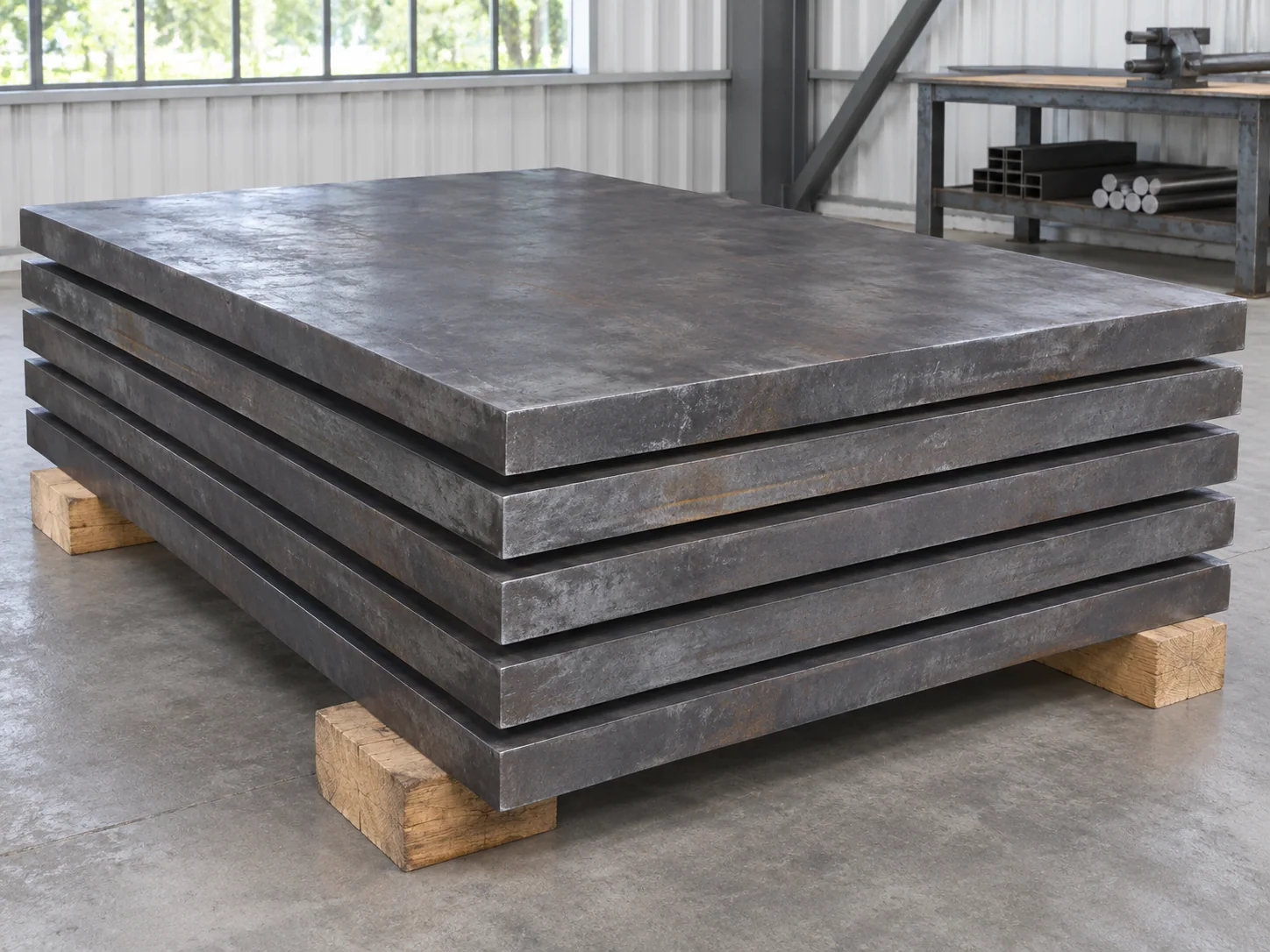
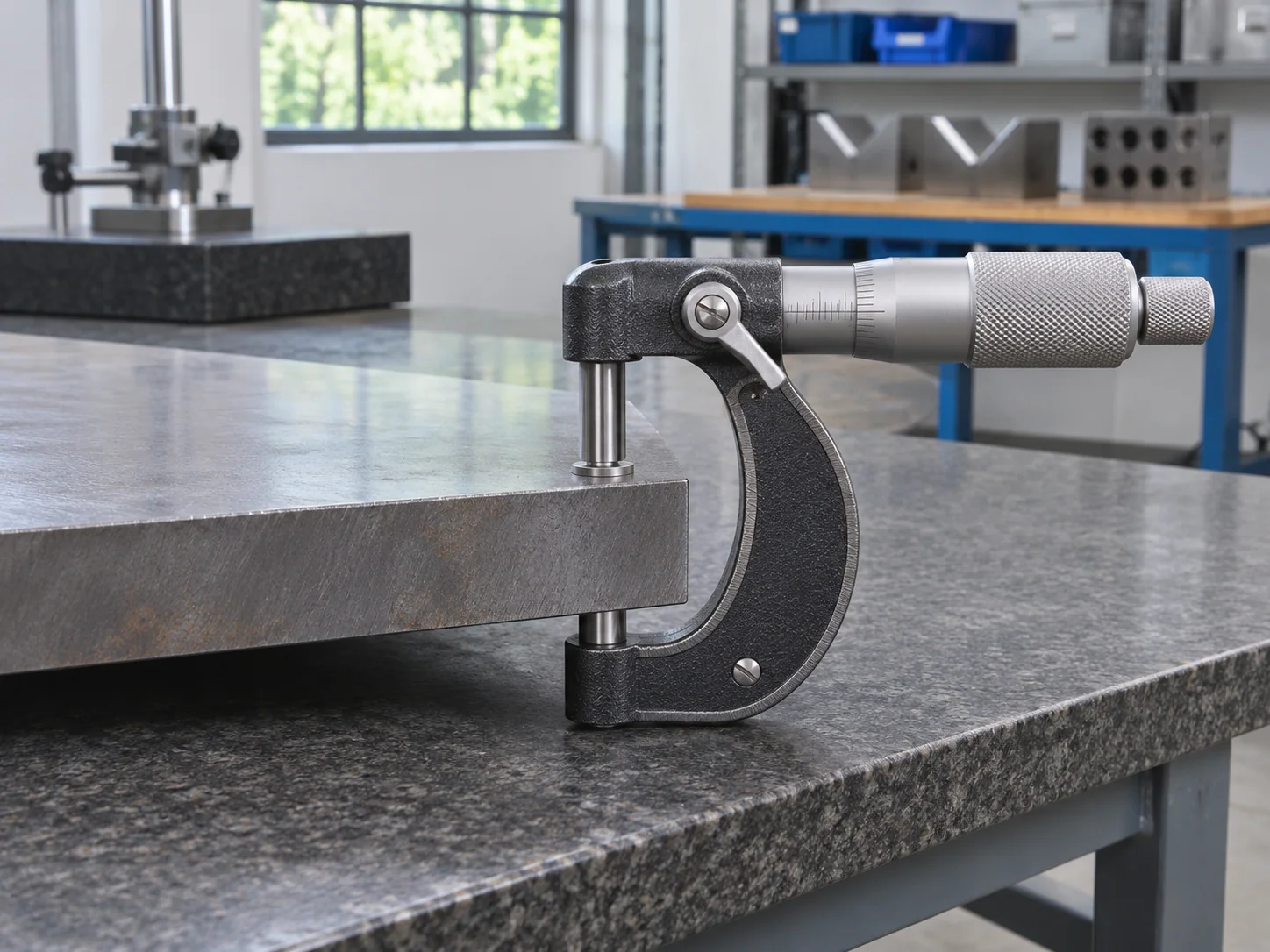
Plate and blank pricing with retained identity

Material and processing itemized

Our offer distinguishes full plates, finished blanks, heat-treatment condition and supplementary testing. Cutting, edge preparation and required records remain identifiable in the price basis.

Flat support and protected edges

Plates and blanks are supported on aligned dunnage with restraints selected for the shipment. Prepared edges and identification locations remain accessible for the receiving check.

Full plates and nested blanks

The cutting list separates delivered blanks from unused plate. Piece quantities, finished dimensions and the agreed net-blank or parent-plate price basis show how material yield enters the offer.

A516 Grade 70 Steel Plate purchasing questions

How is normalized Grade 70 plate specified?

The quotation and material records identify normalized delivery explicitly. Grade and delivery condition are separate order details, with permitted conditions governed by the specification and plate thickness.

What governs a proposed replacement for A516 Grade 70?

The vessel or repair specification governs material acceptance. A proposed replacement is checked for the required strength, material quality, delivery condition and tests, alongside thickness and finished dimensions.

Why does the table show different elongation values for 2 in. and 8 in. gauge lengths?

Elongation is measured over a stated gauge length. The 21% and 17% reference values use different specimen bases; acceptance compares each result with its corresponding gauge length and applicable thickness adjustment.

Can the mill record follow small cut blanks?

Yes. The cutting and marking arrangement links each delivered piece to its parent plate and heat. The record package and permitted marking method are agreed before cutting, including any restrictions on hard stamping.

How do you retain inch-based plate dimensions?

The exact ordered inch thickness stays on the material line with its tolerance basis. Any proposed metric size is identified separately and used when the purchase specification accepts the resulting dimensions and tolerances.

Does a plate order include forming the vessel head?

Plate supply, cut blanks, edge preparation and formed heads are different scopes. Our plate offer identifies the material and processing included; a head-forming requirement needs its own drawing, process and acceptance basis.

Get an A516 Grade 70 plate offer

Send the plate or blank dimensions, piece quantities, material designation, delivery condition and destination. Include any impact, ultrasonic or simulated-PWHT requirements. We return a material-and-processing offer with the applicable record scope.

Metdax
Get a quote
Search Metdax

Language

Get a factory quote

Send your specifications or attach a material list.

A516 Grade 70 Steel Plate

Your information is used to respond to this inquiry. Privacy policy

sales@metdax.com

+86 177 7599 6440