Key takeaways
A standard, a grade and a schedule answer different questions
A pipe description contains several independent requirements. The product specification establishes the material and manufacturing requirements, tests and acceptance basis. The grade identifies a material within that specification. The size and wall establish geometry. A manufacturing designation identifies how the pipe is made, while the delivery condition and finish describe the product arriving at the shop or site.
For an A53 Type E Grade B Schedule 40 purchase, A53 is the product specification, Type E identifies the resistance-welded route, Grade B identifies the material grade and Schedule 40 identifies a wall series. Each element belongs on the order. Removing Type E or replacing A53 with another specification changes the description even if the nominal size stays the same.
When a piping class or drawing is available, check the designation against it and identify any open fields in the inquiry. The steel pipe selection guide explains how service and fabrication requirements lead to that purchase description.
Find the Product Standard Before Comparing Grades
A Quick Index to the Different Product Scopes
| Standard | Product scope | Designation to retain | Next distinction |
|---|---|---|---|
| ASTM A53/A53M | Black or galvanized steel pipe, welded or seamless | Specified grade and Type E, S or F | Check the permitted grade/type combination in the specified edition |
| ASTM A106/A106M | Seamless carbon steel pipe for high-temperature service | Grade A, B or C as specified | A53 Grade B is not automatic A106 Grade B compliance |
| API 5L | Steel line pipe | Grade, PSL and manufacturing route | PSL/grade and product requirements belong together |
| ASTM A500/A500M | Carbon steel structural tubing | Grade, shape, outside dimensions and wall | Structural tube designation is separate from pressure-pipe schedule |
| ASTM A312/A312M | Austenitic stainless steel pipe | Full TP grade and manufacturing condition | Retain the suffixes and specified test/finish requirements |
| ASTM A335/A335M | Seamless ferritic alloy steel pipe for high-temperature service | Full P grade | Do not reduce the alloy designation to a generic strength grade |
A dimensional reference such as ASME B36.10 or B36.19 answers another question: the size series. Read the individual scope and grade sections below for the selected product; the strength table is not a substitution table.
ASTM A53 includes different manufacturing types and grades
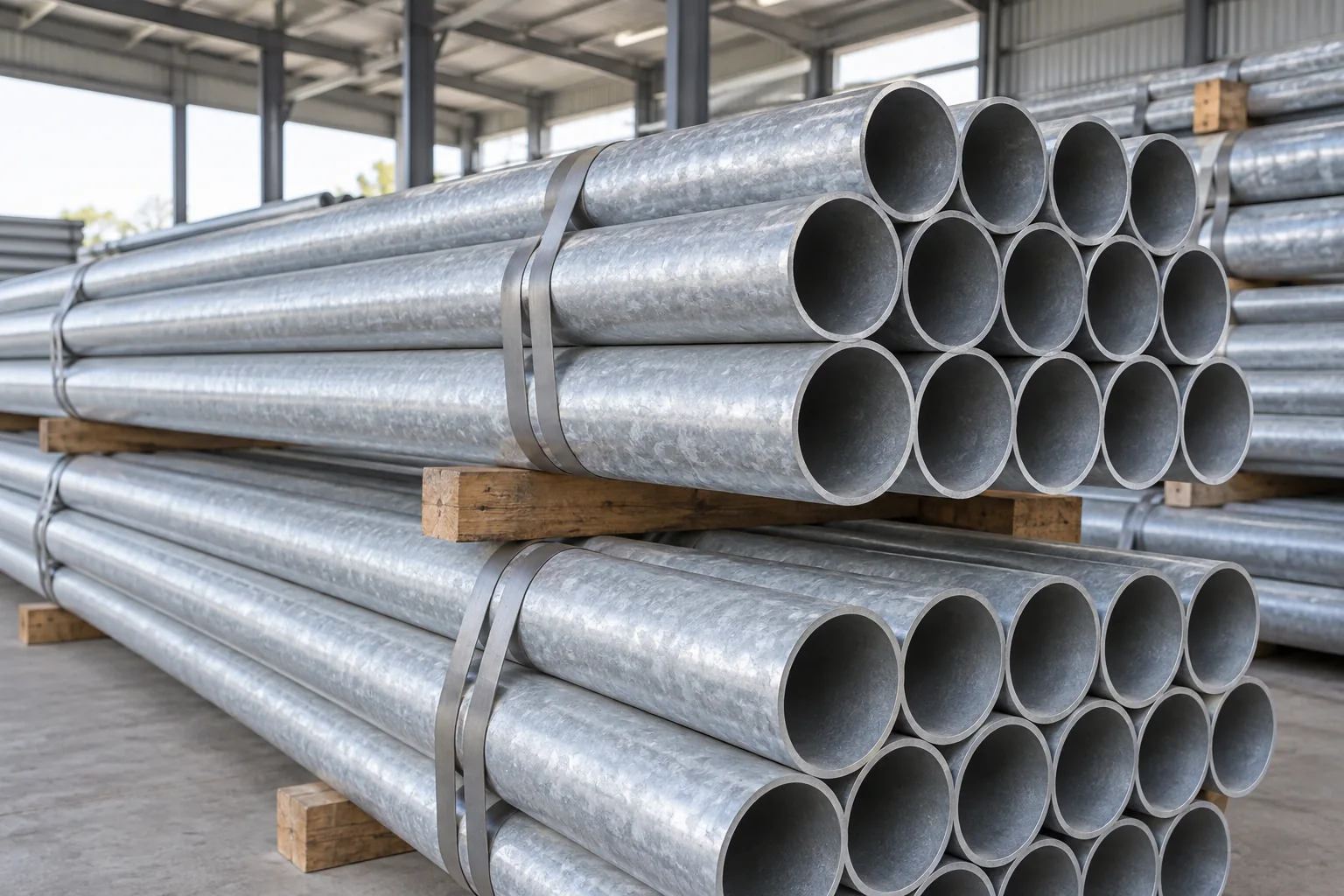
ASTM A53 covers black and hot-dip galvanized steel pipe in welded and seamless forms. Type E identifies electric-resistance-welded pipe, Type S identifies seamless pipe and Type F identifies furnace-butt-welded pipe. Keep the required type explicit when the project restricts manufacture. A53 is a product specification, rather than a label for every carbon steel tube with a similar appearance.
Grade A and Grade B have different material requirements. The minimum strengths below help explain why the grade belongs beside the specification. They describe material properties; they are not allowable system pressures. A Grade B purchase still requires the ordered pipe geometry, tests and connection details.
Our ERW steel pipe offer identifies A53 Type E Grade B. Our black steel pipe page keeps the ungalvanized finish separate from manufacturing route and end preparation.
Swipe to see every column.
| Material grade | Minimum yield strength | Minimum tensile strength |
|---|---|---|
| Grade A | 30,000 | 48,000 |
| Grade B | 35,000 | 60,000 |
A106 and API 5L retain their own order requirements
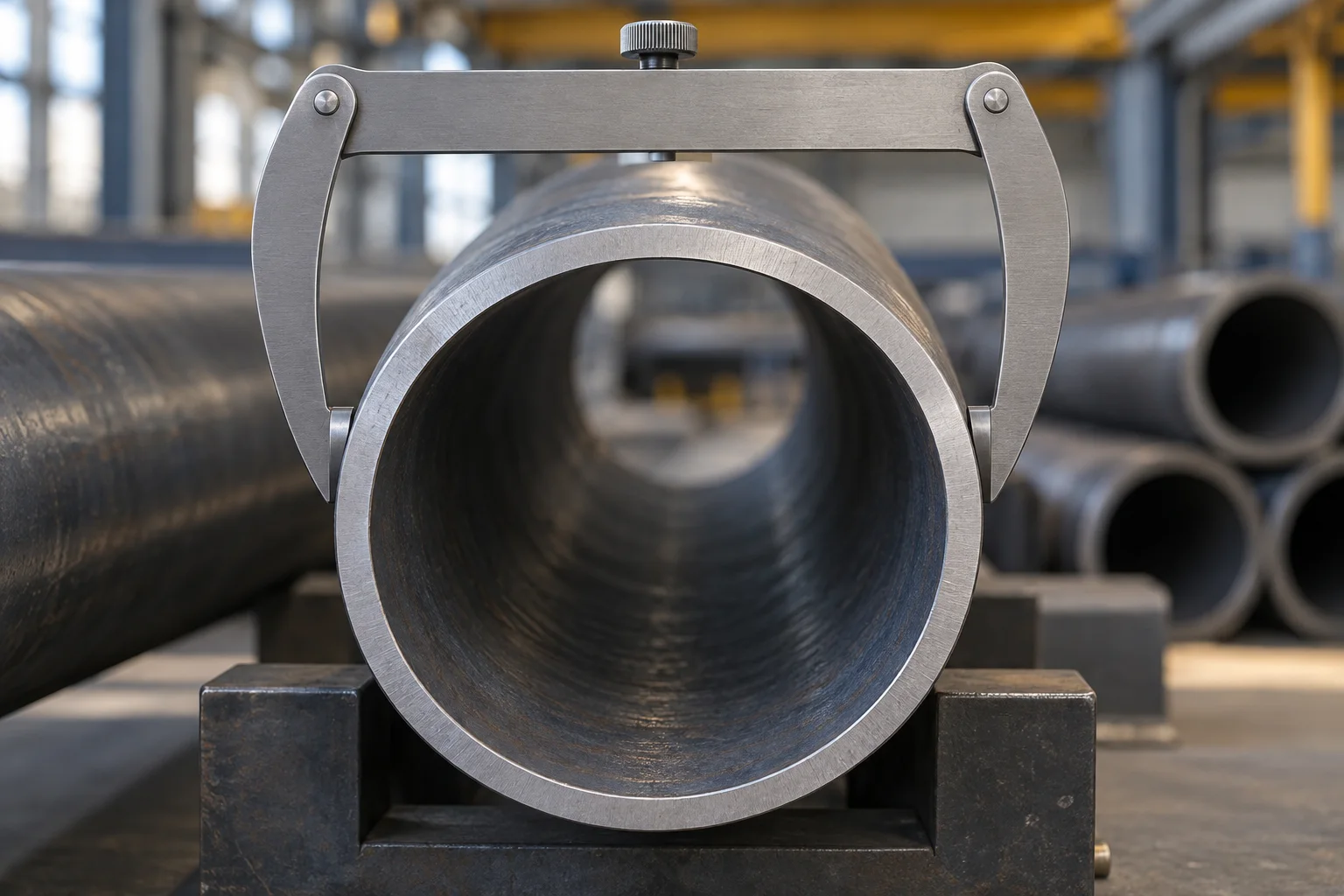
ASTM A106 covers seamless carbon steel pipe for high-temperature service. An A106 Grade B requirement identifies more than a seamless appearance or the words Grade B. The supplied material must satisfy the specified A106 requirements and carry the corresponding records. An A53 certificate does not establish A106 compliance merely because both descriptions use Grade B.
The seamless carbon steel pipe range provides A106-oriented purchase information. If a proposed supply is certified to more than one specification, check each stated designation and its supporting results against the approved order. Dual certification must be documented for the delivered material; it cannot be inferred from matching strength values.
API 5L addresses line pipe and uses product specification levels, PSL 1 and PSL 2. The pipeline purchase retains its grade, PSL, manufacturing route and project supplements. API announced the 47th edition in June 2026, so include the required edition instead of carrying an undated standard name from an old inquiry. The contract and applicable approval requirements determine the edition for the order.
Keep stainless and alloy grades with their product specifications
ASTM A312 covers austenitic stainless steel pipe, including seamless, straight-seam welded and heavily cold-worked welded routes. The TP-grade belongs beside A312 on the material list. A request for 304 or 316 alone leaves the product form, manufacturing route and acceptance requirements unresolved.
For stainless purchases, distinguish the exact grade from the finish. A bright external surface cannot establish low carbon content or the condition of the bore. Order the grade, pipe dimensions, required route and any internal or external surface treatment separately. Our stainless steel pipe page addresses industrial A312 pipe rather than treating all stainless tube as one product.
ASTM A335 covers seamless ferritic alloy-steel pipe for high-temperature service. Its P-grade and required delivered condition belong together. Higher grade numbers are not a purchasing hierarchy that authorizes substitution. Our alloy steel pipe range keeps grade identity, heat treatment and applicable inspection records tied to the supplied pipe.
Separate pressure pipe from structural tube and conduit
ASTM A500 addresses cold-formed structural tubing in round and shaped sections. A structural drawing may call for a round, square or rectangular HSS with its own grade and section dimensions. A pipe purchased under A53 or A106 does not establish compliance with an A500 structural requirement simply because it fits the drawing's outline.
Electrical conduit also has its own product standards, trade-size dimensions and fittings. EMT, IMC and rigid conduit remain distinct from pressure pipe. Preserve the specified conduit type rather than translating the trade-size name into an NPS pressure-pipe order.
The practical purchasing check is product identity: pressure pipe, structural hollow section, mechanical tube or conduit. Set that identity before comparing dimensions. When a drawing and a material schedule use conflicting product descriptions, resolve the discrepancy before release so the factory receives one acceptance basis.
Dimensional and connection standards complete the description
ASME B36.10 standardizes welded and seamless wrought steel pipe dimensions. ASME B36.19 covers stainless steel pipe dimensions. The dimensional designation supplies the nominal outside diameter and wall selection; the ordered product specification supplies its material requirements and applicable acceptance tolerances. These functions belong together, but one does not replace the other.
Include the full wall designation, particularly when a stainless schedule carries an S suffix. Do not remove that suffix while copying a material list into a spreadsheet. Nominal pipe size also needs its wall designation: two pipes with the same outside diameter can have different walls and bores. The pipe size guide covers the dimensional lookup.
Connections add another requirement. Threads, bevels and grooves must follow the chosen interface and fitting system. A nominal pipe diameter does not establish thread form or groove geometry. Use the ends and connections guide to keep connection details attached to the correct line item.
Distinguish standard compliance from a license or product listing
A statement that pipe complies with a product specification addresses the ordered material requirements. A license, product listing or project approval is a separate claim with its own holder and scope. API's Monogram program, for instance, permits the mark under its licensing program. A reference to API 5L by itself does not establish that a supplier holds that license.
When a project requires a particular mark or listing, identify the manufacturer, current approval reference and covered product sizes during procurement. Keep that requirement in the order acceptance criteria. A certificate for an unrelated product, facility or size does not close the requirement for the supplied pipe.
The material certificate should identify the specification, grade and heat or batch represented by the results. Required pipe tests and supplementary examinations remain part of the agreed acceptance scope. Keep actual inspection evidence separate from catalog statements about a standard's general coverage.
For the nominal dimensions rather than material scope, use the sizes and weight guide.
Keep the Specification Through Delivery
Keep the complete designation and required edition on the order. Use the buying and inspection guide for the material and record checks at delivery.
Frequently asked questions
Does Grade B mean the same pipe under A53 and A106?
No. Grade B remains tied to its product specification. An A53 certificate does not establish A106 compliance; any dual certification needs supporting records for the delivered material.
Can a dimensional standard replace the pipe specification?
No. ASME B36.10 or B36.19 supplies the dimensional series. The ordered product specification supplies the material requirements and applicable acceptance tolerances; both belong in the description.
What does an API 5L reference establish about a supplier's license?
The standard reference identifies the ordered product requirements. It does not establish an API Monogram license. Where the project requires a mark or approval, check the manufacturer, current reference and covered product scope separately.
What does the manufacturing type add to an ASTM A53 description?
The type identifies the manufacturing route within A53. The complete order retains its specified type and grade along with dimensions, ends and finish, rather than using the standard name alone.
Does ASTM A500 use the same size description as NPS pressure pipe?
HSS orders use the outside faces or actual round OD with a specified wall and grade. NPS pressure pipe has its own dimensional system; a nominal label does not merge the two products.
How should a required standard edition appear on the order?
Keep the specified edition with the product standard and grade. Any proposal to use another edition is identified for review, with the requirements applicable to the supplied material and acceptance records.
Technical Basis and Source Scope
Technical basis: the named ASTM public scopes and API’s 47th-edition API 5L announcement identify the product families discussed above. ASME B36.10/B36.19 provide dimensional-series scope. Public scope pages do not replace the project’s complete standards.
Strength-table source: Wheatland Tube, ASTM A53 Grade B – Type F: Frequently Asked Questions, p. 1, “A53 Mechanical Requirements,” in the PDF published at its March 2025 URL. The brochure has no stated issue date. The quoted values illustrate the grade distinction; use the ordered standard edition for contractual acceptance.